
Finding the right gown for your wedding day is one of the biggest decisions a bride will make during the planning process. Between fabric choices, silhouette options, price ranges, and fitting schedules, the search for luxury bridal dresses can feel overwhelming if you don't know where to start. This guide breaks down the process step by step, so you can walk into any bridal appointment with a clear idea of what to look for, what to ask, and how to get a gown that matches both your vision and your budget.
Whether you're drawn to a classic ballgown, a fitted mermaid style, or a modern minimalist slip dress, there are several paths to finding a gown that feels right. Some brides prefer working with a boutique that offers made-to-measure services, while others want the flexibility of browsing online before booking a fitting. This article covers both routes, along with practical tips on budgeting, customization, and what separates a well-made gown from a mass-produced one.
What Sets a Luxury Bridal Gown Apart
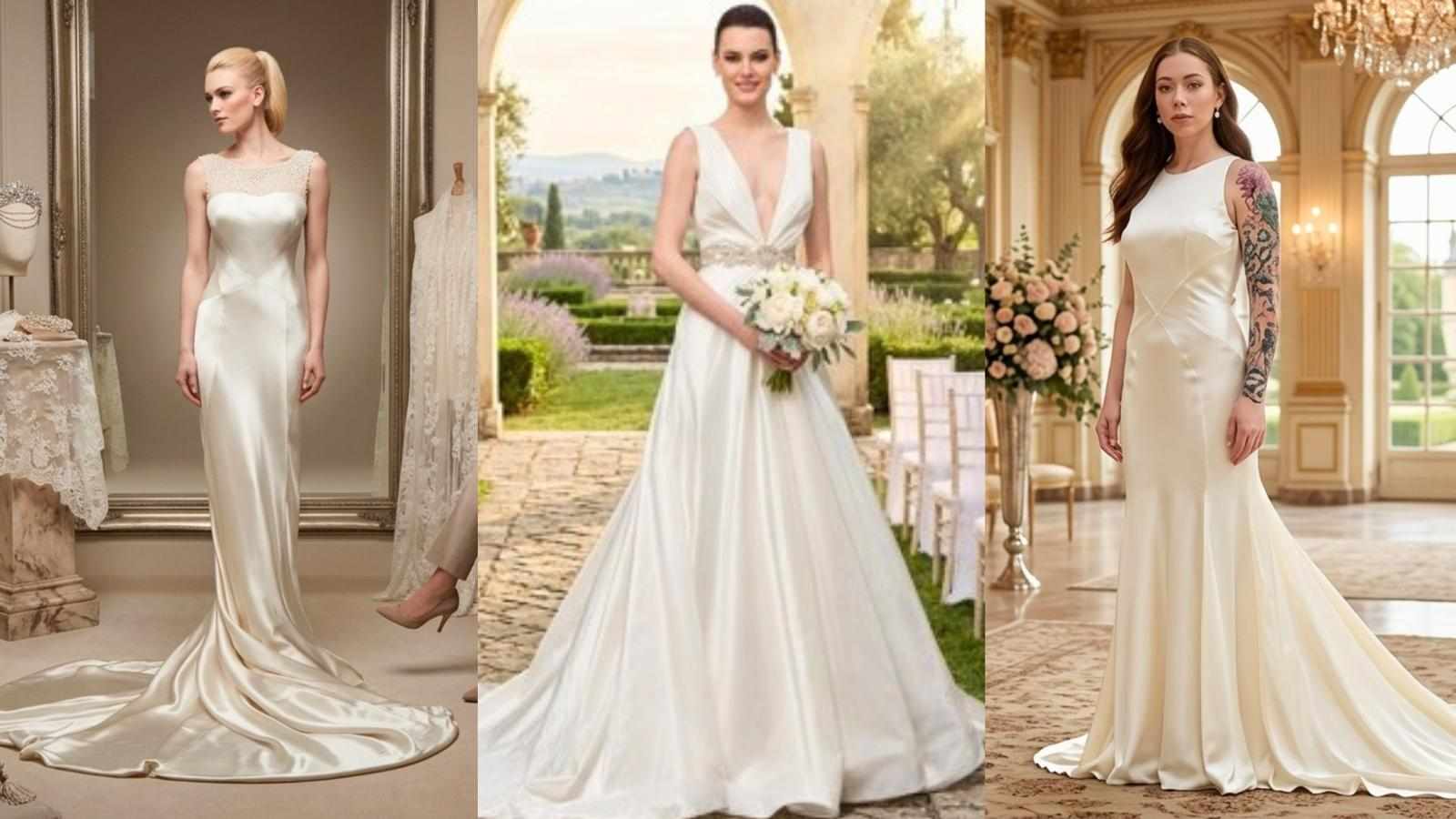
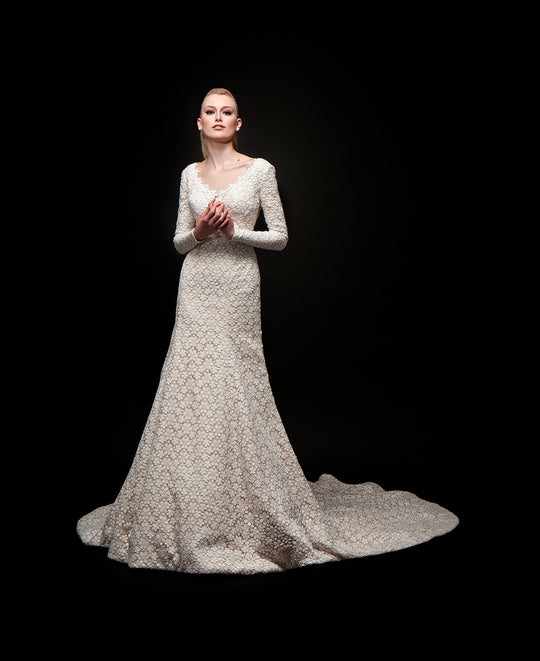
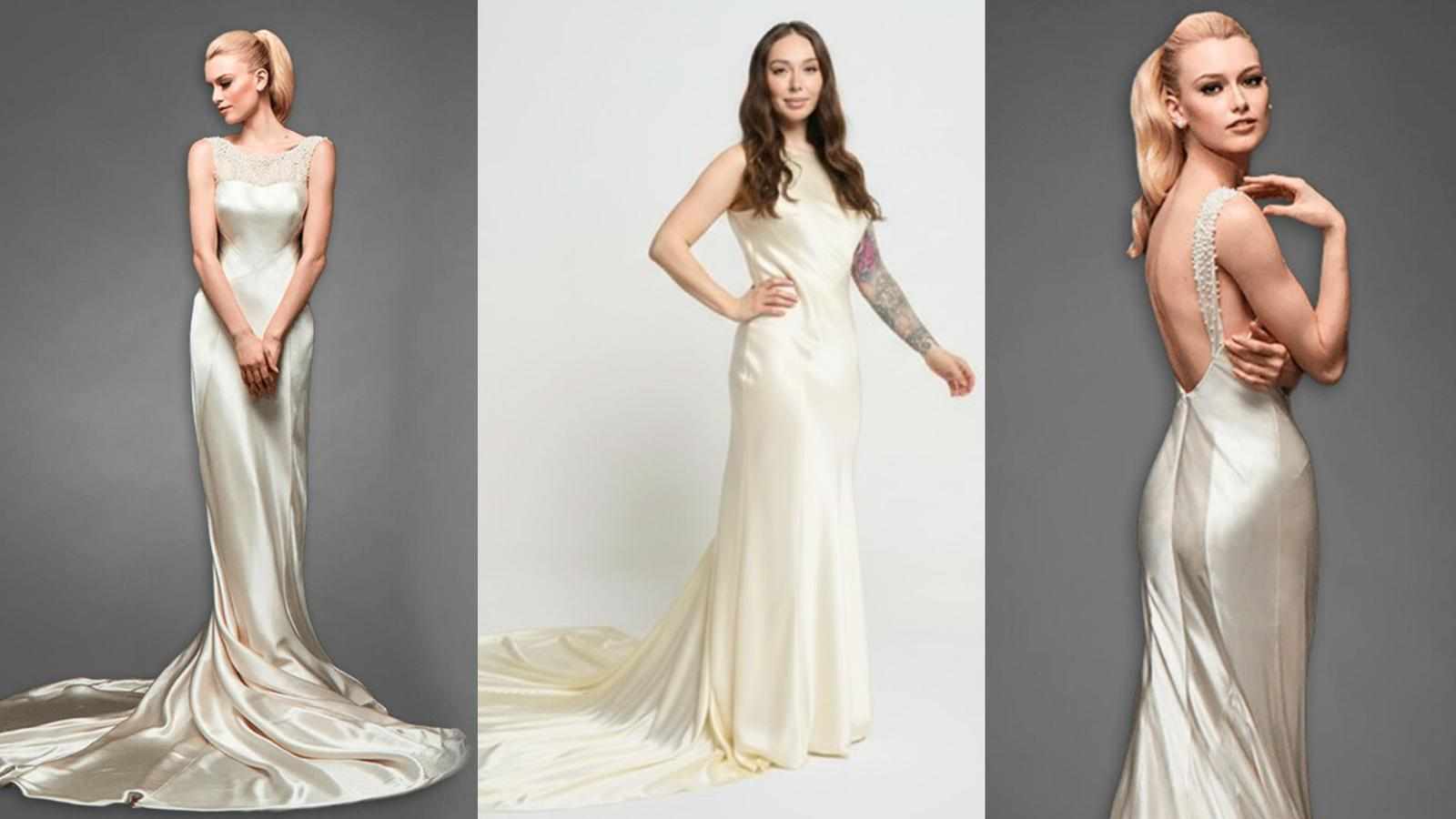
Not every white dress on a rack is created equal. A true luxury gown is built with attention to construction details that aren't always visible at first glance: French seams, boned bodices, hand-sewn beading, and fabrics like silk mikado, Chantilly lace, or duchess satin. These materials drape differently than synthetic blends and tend to hold their shape through a full day of dancing, photos, and standing for hours.
When you're comparing bridal dresses across different price points, it helps to look closely at the inside of the gown, not just the outside. Lined seams, quality zippers, and finished hems are signs that a dress was made to last beyond a single wear. Many brides don't realize that two dresses can look nearly identical in photos but feel completely different once you touch the fabric or try them on.
Setting a Realistic Budget Before You Shop
Before booking any appointments, it's worth setting a number you're comfortable spending and sticking close to it. Bridal budgets vary widely, and gown prices can range from a few hundred dollars to well into five figures depending on the designer, fabric, and amount of hand detailing involved.
A few budgeting tips that tend to work well:
Decide on a total dress budget that includes alterations, since tailoring can add several hundred dollars to the final cost.
Factor in accessories separately, such as veils, belts, or jewelry, rather than folding them into the gown budget.
Ask boutiques upfront about their price range so you're not falling in love with a dress outside your limit.
Leave a small cushion of 10-15% for unexpected changes, like a last-minute style swap or additional fabric.
If your budget is tighter than you'd like, that doesn't mean you have to settle. There are excellent affordable bride dresses available from both established designers running sample sales and smaller studios that specialize in classic silhouettes made from cost-effective but well-finished fabrics. The key is knowing which corners can be cut (extra beading, a longer train) without sacrificing the overall quality of construction.
Bridal Boutiques vs. Online Bridal Shops
Both in-person boutiques and online retailers have their place in a modern wedding dress search, and many brides end up using a mix of both.
In-person boutiques give you the advantage of trying on gowns in person, seeing how fabric moves, and getting immediate feedback from a stylist who works with brides daily. This is especially useful if you're unsure of your silhouette preference, since a good consultant can guide you toward styles that flatter your body type based on years of fitting experience.
Online bridal shops work well for brides who already have a strong sense of what they want, or who live outside major cities with limited boutique access. Many online retailers now offer detailed sizing charts, virtual consultations, and generous return policies to offset the risk of buying sight unseen. Reading reviews and checking return policies closely is important here, since gowns are a significant investment and not something you want to be stuck with if the fit is wrong.
For brides who want the best of both worlds, some retailers offer a hybrid model: browse and shortlist gowns online, then visit a physical showroom to try on your top picks before committing.
Custom Bride Dresses for a Personal Fit
If you have a very specific vision in mind, or if standard sizing hasn't worked well for you in the past, custom bride dresses are worth considering. Custom gowns are built from your exact measurements rather than adjusted from a standard sample size, which means fewer alteration appointments and a fit that's designed around your body from the start.
Custom options also give you control over details that off-the-rack gowns don't always offer, such as sleeve length, neckline shape, back detailing, or even combining elements from two different dress styles you love. This route typically requires more lead time, often four to six months, so it's best suited for brides who are planning well ahead of their wedding date rather than those working on a shorter timeline.
Pricing for custom gowns varies based on fabric choice and detailing, but many brides find that the cost is comparable to a heavily altered off-the-rack designer gown, with the added benefit of a dress made specifically for them.
Balancing Vision and Practicality
It's easy to fall for a dress in a magazine or on social media without considering how it will actually work for your venue, season, or comfort level. A few practical questions to ask yourself before finalizing any gown:
Will this fabric be comfortable for the season and location of your wedding?
Can you move, sit, and dance easily in this silhouette?
Does the dress require special undergarments or shoes that you'll need to budget for separately?
How long will alterations take, and does that timeline work with your wedding date?
Bringing these questions into your first appointment helps stylists guide you toward gowns that check both the aesthetic and functional boxes, rather than just the ones that photograph well.
Where Local Bridal Shopping Makes a Difference
Shopping in person, particularly in a city with a strong bridal fashion scene, gives you access to a wider range of designers and stylists who specialize in fittings for different body types and budgets. Brides searching for luxury wedding dresses often find that working with a local studio allows for more fitting appointments without added travel costs, plus faster turnaround if any last-minute adjustments are needed close to the wedding date.
For brides in the New York area, there's real value in booking appointments with studios that understand current bridal trends and offer both ready-to-wear and made-to-measure options in one place. Many brides searching for luxury bridal dresses in NYC appreciate having access to designers who can accommodate both classic and modern requests without needing to travel far for multiple fittings.
Shop Luxury Bridal Dresses in Brooklyn, NY if you want a fitting experience that combines personal attention with a wide range of gown styles, from simple silhouettes to fully detailed ballgowns. Local studios in this area often work directly with brides on custom requests, giving you more flexibility than a big-box retailer typically offers.
Common Mistakes Brides Make When Dress Shopping
A few patterns show up again and again during the gown search process, and being aware of them can save time and stress:
Shopping too late. Waiting until a few months before the wedding limits your options, especially for custom or made-to-measure gowns.
Bringing too many opinions to appointments. A large group of guests can make decision-making harder rather than easier. Two or three trusted people is usually enough.
Ignoring the budget conversation with the boutique. Stylists can only help you stay on budget if they know what that budget is from the start.
Focusing only on trends. A dress that's popular this season may not photograph or age as well in years to come. Choosing something that fits your personal style tends to hold up better over time.
Skipping the alterations consultation. Alterations can shift the fit, length, and even the overall look of a gown, so it's worth treating this as part of the shopping process rather than an afterthought.
Final Thoughts
There's no single "correct" way to find a wedding dress, but there is a process that tends to work well: set a budget early, decide whether you want the guidance of an in-person boutique or the flexibility of shopping online, and stay open to custom options if standard sizing hasn't worked for you before. Whether you land on a simple silhouette or a fully detailed gown, the goal is a dress that feels like you, fits comfortably, and holds up through every part of your wedding day.
Frequently Asked Questions
1. How far in advance should I start shopping for a wedding dress?
Most bridal experts recommend starting 8 to 12 months before the wedding, especially if you're considering a custom gown that requires extra production time.
2. What is the average cost of a luxury bridal gown?
Prices vary widely by designer and fabric, but luxury gowns typically range from $2,500 to $10,000 or more, not including alterations.
3. Are custom bride dresses more expensive than off-the-rack gowns?
Not always. While custom gowns can cost more due to made-to-measure construction, the total price is often similar once alteration costs on an off-the-rack dress are factored in.
4. How many alterations appointments should I expect?
Most brides need two to three fitting appointments, with the final fitting scheduled about two to three weeks before the wedding.
5. Can I find affordable bride dresses without sacrificing quality?
Yes. Sample sales, trunk shows, and smaller independent studios often offer well-constructed gowns at a lower price point than major designer labels.
6. What fabrics are considered best for a wedding gown?
Silk mikado, Chantilly lace, duchess satin, and tulle are popular choices, each offering a different look and feel depending on the desired silhouette.
7. Should I buy my wedding dress online or in person?
This depends on your comfort level. In-person shopping allows you to try on gowns before buying, while online shopping often works well for brides who already know their size and style preferences.
8. How do I know if a bridal boutique is reputable?
Look for reviews, ask about their return and alteration policies, and check whether they carry recognized designers or offer transparent pricing.
9. What should I bring to my first bridal appointment?
Bring a well-fitted strapless bra, comfortable shoes with a heel similar to what you'll wear on the wedding day, and photos of styles you like for reference.
10. Is it possible to combine designer elements into one custom gown?
Yes, many custom bridal studios allow you to combine details from multiple dresses you love, such as a neckline from one gown and a skirt style from another, into a single made-to-measure piece.

Write a comment ...